The Nexus Effect: Where Creativity, Culture, and Future Trends Converge in Modern Life
We stand at a fascinating crossroads where the forces shaping our future are both glaringly obvious and incredibly subtle. While we see the headlines about AI and climate change, a deeper, more intricate dance is happening just beneath the surface. This is the ‘Nexus Effect’—a powerful convergence where everyday creativity, deep-seated cultural shifts, and emerging future trends collide to rewrite the rules of modern living. It’s the invisible architecture influencing everything from your career path to your community connections.
For decades, these elements were often discussed in isolation. Creativity was confined to the artist’s studio, culture was a subject for anthropologists, and future trends were the domain of science fiction. But that siloed thinking no longer applies. The creative impulse now fuels business innovation and community problem-solving. Cultural currents, amplified by digital connectivity, dictate market demands and social norms. These forces are no longer parallel streams; they are a braided river, each strand giving strength and direction to the others.
Understanding this dynamic interplay is no longer an academic exercise; it’s a critical skill for navigating the complexities of the present and preparing for what’s next. This article unpacks the Nexus Effect by dissecting its three core components. We will explore how the creative impulse has evolved, decode the cultural tides reshaping our values, and analyze the most significant future trends on the horizon. The goal is to provide a clear map for not just surviving, but thriving in a world of constant, interconnected change.
Decoding the Creative Impulse in Contemporary Society
When we talk about the creative impulse, the mind often jumps to a painter’s canvas or a poet’s notebook. But what most people miss is that its modern definition has expanded far beyond the studio. Today, creativity is less about a formal masterpiece and more like cooking a great meal without a recipe—a blend of intuition, resourcefulness, and the courage to try something new in everyday situations. It’s the elegant code written to automate a boring task or the clever rearrangement of a tiny apartment to maximize space.
This shift isn’t just a feeling; the data suggests a widespread recognition of this broader scope. A recent study by Forrester Consulting found that 78% of professionals believe creative problem-solving is a critical skill for navigating modern challenges. The underrated factor here is how this impulse manifests not just at work, but in our communities and personal lives—from developing community recycling programs to the explosion of DIY tutorials online (and let’s be honest, we’ve all benefited from a clever ‘life hack’ video).
It’s creativity in action.
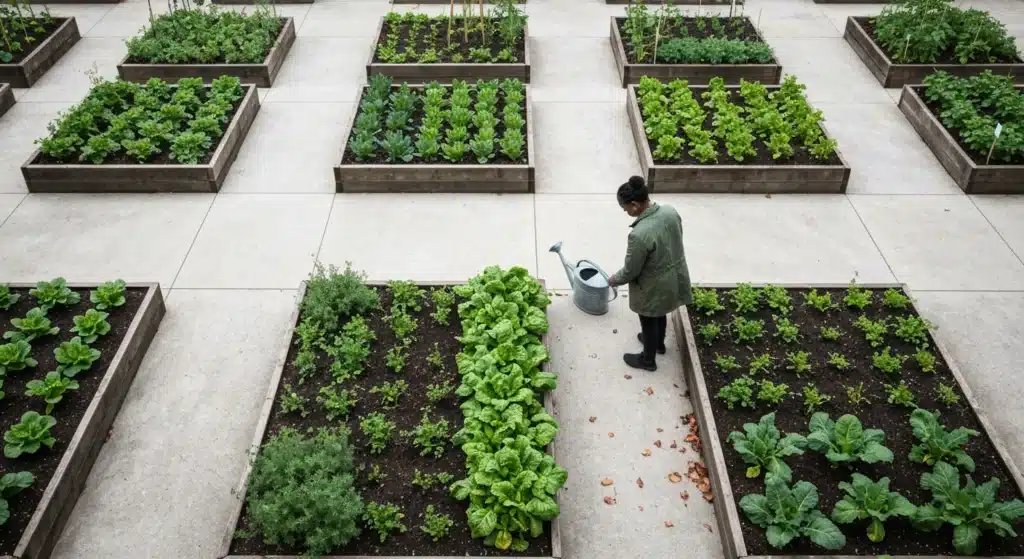
These small acts of ingenuity are the building blocks of a more adaptive society. You can see it in urban gardens transforming forgotten lots, a clear example of how creative ideas for modern urban living take root. This is the same energy that fuels open-source collaborations and neighborhood skill-sharing groups, demonstrating the powerful intersections of creativity and culture. This impulse is fundamentally about seeing a problem and instinctively looking for a better, smarter, or more beautiful way forward.
Cultural Currents: Shaping Our Collective Future
The invisible tides of culture are constantly reshaping our world, influencing everything from our morning coffee choices to our career aspirations. These powerful societal trends aren’t just abstract concepts; they are actively rewriting the social contract and defining what it means to live a meaningful life. We’re moving away from a single, monolithic culture toward a collection of micro-cultures driven by shared values and digital connectivity. The old rulebook is being rewritten.
Understanding these shifts is like learning to read the weather. You start to see patterns and can anticipate what’s coming next. For instance, the growing emphasis on sustainability isn’t merely about recycling; it’s a core re-evaluation of our relationship with consumerism, a theme we’ve explored in how creativity and culture intersect in contemporary life. This shift affects personal choices, corporate strategies, and even public policy.
The Digital Tapestry: How Technology Weaves New Norms
Perhaps no force is more potent than the rise of digital connectivity, which has fundamentally altered our concepts of community and work. The digital nomad phenomenon—once a niche lifestyle—is now a mainstream aspiration, completely redefining modern urban living for millions. Why be tied to a specific city when your office is a laptop? According to a report by the Future of Work Institute, approximately 35% of knowledge workers would switch jobs for the flexibility to work from anywhere.
This digital-first existence creates a fascinating paradox. We are more connected to global networks than ever, yet I suspect that many feel a growing sense of local detachment. This tension gives rise to new social etiquette and values, contrasting sharply with previous generations’ norms.
| Traditional Value | Emerging Value |
|---|---|
| Stability & Predictability | Flexibility & Adaptability |
| Asset Ownership (Home, Car) | Access & Experience (Subscription, Sharing) |
| Hierarchical Structures | Networked Collaboration |
| Mass Consumption | Conscious & Sustainable Choices |
| Local, Physical Community | Global, Digital Tribes |
Reclaiming Local: The Resurgence of Community Identity
In response to the homogenizing effect of globalization, a powerful counter-current is gaining momentum: a return to the local. This isn’t about rejecting the global, but rather about re-grounding ourselves in tangible communities. Think of it like a food diet; you can appreciate cuisines from around the world while still prioritizing ingredients from your local farmer’s market. This movement champions local artisans, neighborhood businesses, and community-supported agriculture.
What most people miss is that this isn’t just nostalgia. It’s a deliberate choice to foster resilience and a deeper sense of belonging—and let’s face it, there’s a certain satisfaction in knowing the person who baked your bread. This hyper-local focus is a prime example of how creative ideas shape our world on a micro-level. These dual forces, the global digital tribe and the reclaimed local neighborhood, are creating a complex and often contradictory landscape for modern identity.
The illiterate of the 21st century will not be those who cannot read and write, but those who cannot learn, unlearn, and relearn.
— Alvin Toffler, Futurist and Author
| Core Concept | Key Insight | Modern Application |
|---|---|---|
| The Creative Impulse | Creativity has expanded from artistic expression to everyday problem-solving and ingenuity. | Optimizing personal workflows, developing community gardens, or finding innovative uses for technology at home. |
| Cultural Currents | Society is moving from a single mass culture to a dual reality of global digital tribes and hyper-local communities. | Balancing participation in online interest groups with actively supporting local businesses and artisans. |
| Future Trends | AI personalization, sustainable urbanism, and the ‘experience economy’ are converging to reshape daily life. | Using AI tools for efficiency, making conscious consumption choices, and prioritizing spending on experiences over material goods. |
Navigating Tomorrow: required Future Trends for Modern Living
Peering into the future can feel like trying to read a map in the dark, but several key trends are already illuminating the path forward for modern life. These aren’t just flashy technological predictions; they are deep shifts in how we live, work, and connect with our environment. Understanding these currents is necessary for anyone interested in not just adapting, but thriving.
The convergence of these forces is creating a new blueprint for society. It’s a complex interplay of automation, sustainability, and changing values. Some shifts promise exceptional convenience, while others present serious ethical questions we must address collectively.
The AI Revolution: Personalization and Automation
Artificial intelligence is quickly moving from a background process to a co-pilot in our daily lives. This goes far beyond voice assistants answering trivia. We are seeing a new wave of hyper-personalization where AI anticipates our needs, from curating news feeds and entertainment to optimizing our work schedules and even suggesting wellness routines. The promise is a life with less friction, where mundane decisions are automated, freeing up mental space for more meaningful pursuits.
This convenience comes with a trade-off. The data required for this level of personalization is immense, raising significant privacy concerns. What happens when a corporation knows your habits better than you do? According to a recent Pew Research Center study, 66% of Americans believe they have little to no control over the data collected by companies. There’s also the undeniable impact on the job market, as automation threatens to displace roles centered on repetitive tasks — a reality that requires a serious social and economic response.
This trend is about more than just smart gadgets; it represents a underlying blending of creative ideas with modern living, forcing us to redefine productivity and personal agency.
Sustainable Urbanism: Greener Cities and Lifestyles
The global push towards sustainability is reshaping our cities from the ground up. The concept of sustainable urbanism is gaining serious traction, moving beyond simple recycling programs to encompass large-scale infrastructure changes. Think “15-minute cities” where daily necessities are a short walk or bike ride away, buildings with green roofs that combat the urban heat island effect, and a surge in community-supported agriculture.
The benefits are clear: improved public health, reduced carbon emissions, and stronger communities. Cities like Copenhagen have shown that investing in cycling infrastructure can lead to massive benefits; reports from the city indicate that for every kilometer cycled, society gains economically through reduced healthcare costs and pollution. But the transition isn’t without its challenges. The high initial cost of green retrofitting can be a barrier, and there’s a real risk of “green gentrification,” where sustainability improvements drive up property values and displace long-term residents. Finding equitable solutions is the core challenge for these creative ideas for modern urban living.
The ‘Experience Economy’: Beyond Material Possessions
A significant cultural shift is underway, prioritizing experiences over physical goods. This “experience economy” is driven by a desire for personal growth, connection, and shareable moments rather than the accumulation of more stuff. People are increasingly spending their disposable income on everything from immersive art installations and unique travel adventures to skill-based workshops and gourmet cooking classes.
This movement is a powerful expression of how creative ideas shape our modern world, pushing us toward a less materialistic and potentially more fulfilling existence. It’s a rejection of the old consumerist model. The underrated factor here is the environmental benefit — a weekend trip focused on hiking creates a much smaller carbon footprint than manufacturing, shipping, and eventually discarding a new television. But is this pursuit of experiences always a net positive?
Curated Experiences vs. Mass Consumption
Within this trend, a fascinating split is emerging. On one side, you have curated experiences — highly personalized, often niche activities designed for small groups or individuals. Think of it like a chef’s tasting menu, where every course is carefully selected, as opposed to a buffet. These can be incredibly enriching, offering deep dives into specific interests.
On the other side is the pressure to participate in experiences for the sake of social media—the “Instagram effect.” This can lead to overcrowded “discoveries,” environmental strain on popular sites, and a sense of performing rather than living. It also creates a new kind of consumer pressure, where the fear of missing out (FOMO) drives spending. The challenge in this new landscape is finding authenticity in a world where even our leisure time can feel commercialized, a key theme in the intersections of creativity and contemporary life.
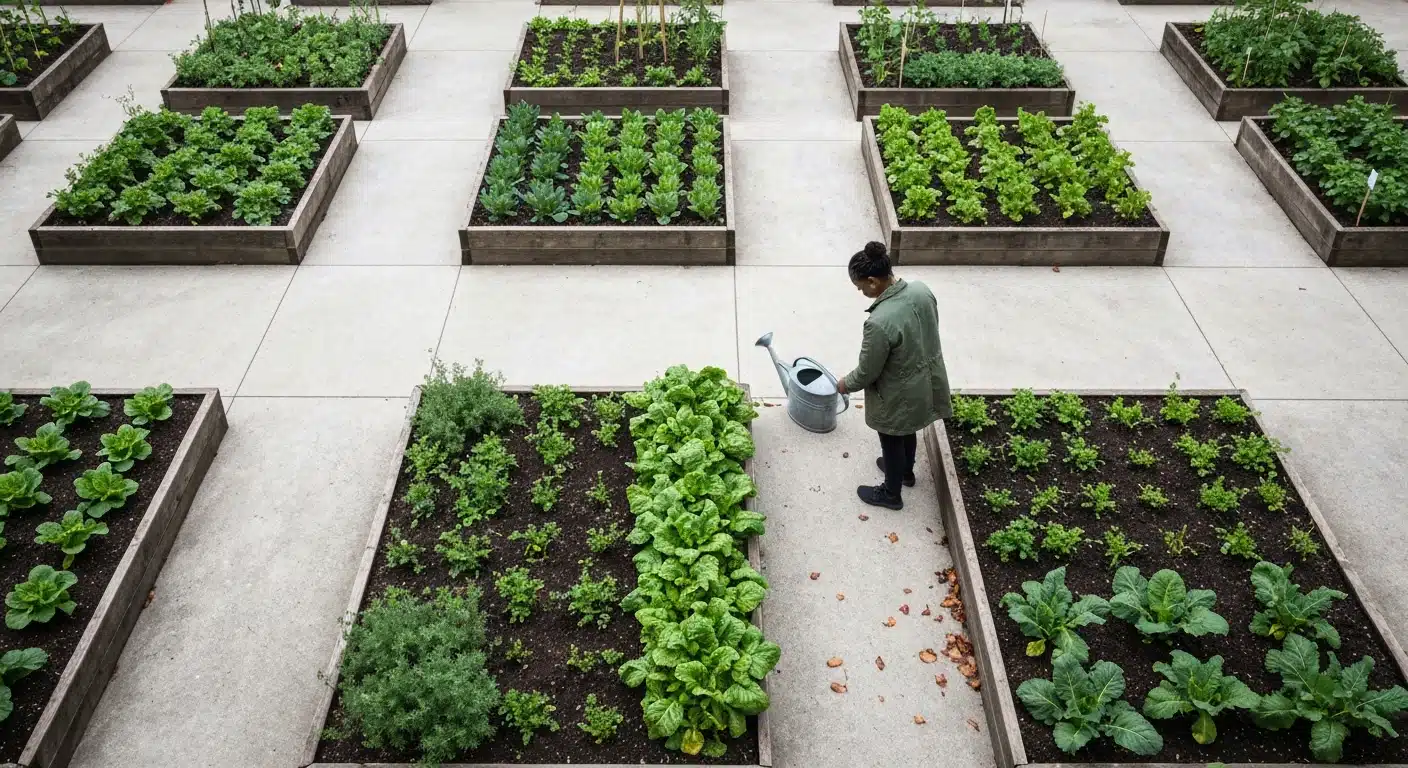
Synergy in Action: Where Ideas, Culture, and Trends Converge
Thinking of creative ideas, cultural shifts, and future trends as separate streams is a common mistake. In reality, they aren’t just parallel forces; they actively blend and ferment together, much like a sourdough starter where each element feeds and fundamentally changes the others. A technological trend doesn’t gain traction without a cultural shift that makes people want it, and that desire is often shaped by creative ideas in marketing, design, and media.
It’s a constant feedback loop.
Consider the explosion of the subscription box model. This wasn’t just a business innovation. It tapped into a cultural desire for curated experiences and convenience, a trend accelerated by e-commerce technology. The creative execution—the branding, the unboxing experience, the personalization—is what turned a simple delivery service into a lifestyle statement. What most people miss is that the success of these models provides data that, in turn, fuels new trends. For a deeper look at these intersections, many are crafting tomorrow by examining these very connections.
This interdisciplinary fusion is where genuine progress happens. According to a study from the Stanford d.school, teams that blend expertise from arts, engineering, and social sciences produce solutions that are 63% more likely to be adopted by the public. But how does this apply to navigating tomorrow in our own lives? The rise of remote work, for example — a massive cultural and technological shift — wasn’t just about new software. It was about creatively rethinking the very definition of the office and the workday, a process that is still unfolding and shaping our cities and communities. This blending of creative ideas with modern living is no longer optional. The real challenge becomes spotting these patterns as they emerge, not after they’ve already reshaped our world.
Cultivating a Forward-Thinking Modern Lifestyle: A Practical Guide
Understanding the interplay of creativity, culture, and future trends is one thing; actively weaving them into the fabric of your own life is another entirely. It requires a shift from passive observation to active participation. This isn’t about a massive overhaul but rather a series of small, intentional adjustments to your daily habits and mindset. The goal is to build a life that is not just reactive to change, but one that anticipates and even thrives on it. It’s about being prepared.
Embracing a Curiosity Mindset: The Seed of Innovation
The foundation of a forward-thinking life is genuine curiosity. It’s the engine that powers exploration and the antidote to stagnation. A study from the University of California, Davis, found that when curiosity is piqued, brain activity increases in regions associated with both learning and reward, making the learning process more effective and enjoyable. This means actively seeking out the “why” behind things instead of just accepting them at face value.
Start by treating your knowledge like a garden. What areas are overgrown, and which are barren? Maybe you’re an expert on financial markets but know next to nothing about synthetic biology or contemporary art. Dedicate 30 minutes each day to exploring a topic completely outside your professional or social circle. This isn’t about mastery; it’s about exposure. The seemingly random connections you make are often the very places where creative ideas shape our modern world. What most people miss is that this practice isn’t a chore. It’s a game.
Engaging with Diverse Perspectives: Broadening Cultural Horizons
To understand cultural shifts, you must move beyond academic definitions and engage with them directly. Living in an echo chamber—surrounded by people and media that confirm your existing beliefs—is the fastest way to become irrelevant. Breaking out requires a conscious effort to seek perspectives that challenge, confuse, or even contradict your own worldview. This means diversifying your inputs across the board.
This could be as simple as changing your commute podcast from a familiar favorite to one hosted by someone from a different country or background. It could mean following social media accounts of artists, scientists, and activists whose experiences are different from yours. The underrated factor here is the empathy it builds. When you understand the context behind different cultural values, you begin to see the world not as a monolithic block but as a complex, interconnected system. This nuanced view is primary for anyone interested in crafting the intersections of creativity and culture into their life.
The Power of Cross-Cultural Dialogue
Engagement goes beyond passive consumption. Seek out opportunities for actual dialogue. This could involve joining a local club, attending a cultural festival, or participating in online forums dedicated to global issues. The key is to listen more than you speak. Ask questions. What does success look like in your culture? How does your community approach a problem like elder care or public transportation? These conversations—even the slightly awkward ones—provide insights that no textbook or documentary ever could.
Strategic Adaptation: Preparing for What’s Next
A forward-thinking lifestyle isn’t about predicting the future with perfect accuracy; it’s about building the capacity to adapt to whatever comes. Think of it like a musician practicing scales. The scales themselves aren’t the performance, but they build the dexterity needed to play any piece of music. Similarly, developing adaptive skills prepares you to handle unforeseen social, technological, and economic shifts.
One practical strategy is scenario planning for your own life. Take a potential future trend—like the widespread adoption of AI in your industry or a shift toward decentralized work. Spend an hour brainstorming the best-case, worst-case, and most-likely scenarios. What skills would be most valuable in each? What resources would you need? This simple mental exercise, which futurist Jane McGonigal advocates for, transforms abstract anxieties into concrete, manageable problems.
Developing Personal Resilience in a Changing World
Resilience is the psychological core of adaptation. According to the American Psychological Association, a key component of resilience is a positive, optimistic outlook, but not a naive one. It’s about believing in your ability to handle what comes your way. One way to build this is through “micro-challenges”—intentionally doing small, difficult things. This could be taking a cold shower, learning a difficult new software shortcut, or having a conversation you’ve been avoiding.
Each small victory proves to your brain that you can overcome discomfort and emerge stronger. It’s building a callus for your mind. This proactive approach to personal growth is the ultimate tool for navigating a world in constant motion, turning the pressure of change into a force for personal evolution.
From Spectator to Architect: Your Role in the Nexus
The forces of creativity, culture, and technology can feel like massive, impersonal waves carrying us toward an unknown shore. It’s easy to see ourselves as mere passengers on this journey. But the core lesson of the Nexus Effect is that these forces are not just things that happen *to* us; they are shaped, in small but meaningful ways, by the collective sum of our individual choices. The trends are macro, but the actions are micro.
Instead of simply observing the rise of the experience economy, what new skill could you learn this month? Rather than just acknowledging the shift to localism, which neighborhood business could you actively support this week? The most profound way to engage with the future is not to predict it, but to participate in its creation, one thoughtful decision at a time. So, what is the one creative act you will take to consciously engage with one of these trends, transforming yourself from a passive observer into an active architect of your own modern life?
Frequently Asked Questions
How can I foster creativity in my daily routine?
Incorporate “micro-doses” of novelty into your day. Try a new route to work, listen to a podcast outside your usual interests, or dedicate 15 minutes to brainstorming a solution to a small, annoying problem. The key is to consistently break patterns and actively engage your curiosity.
What are the most significant cultural shifts impacting work-life balance?
The widespread adoption of remote/flexible work and the growth of the gig economy are significant. These shifts replace rigid 9-to-5 structures with a demand for adaptability and self-management, which can profoundly blur the traditional lines between personal and professional life.
Are future trends predominantly driven by technology, or are other factors equally important?
While technology is a powerful catalyst, it is not the sole driver. Cultural values and societal needs are equally important; a new technology only achieves widespread adoption when it aligns with a pre-existing or emerging human desire, such as the need for greater connection or convenience.
How can an understanding of cultural insights help me make better life decisions?
Understanding cultural insights allows you to see the “invisible scripts” that often guide your choices. By recognizing trends like the shift from ownership to access, you can make more conscious decisions about your finances, career, and lifestyle that align with emerging values rather than outdated norms.
What is the ‘Nexus Effect’ in the context of modern living?
The ‘Nexus Effect’ describes the convergence point where creative ideas, cultural shifts, and future trends meet and influence one another. It is the dynamic interplay between these powerful forces that actively shapes our daily reality, creating both the challenges and opportunities of modern life.