The Rise of Slow Living: 5 American Cultural Trends for 2026
The Rise of ‘Slow Living’: 5 American Cultural Trends Gaining Momentum in Early 2026
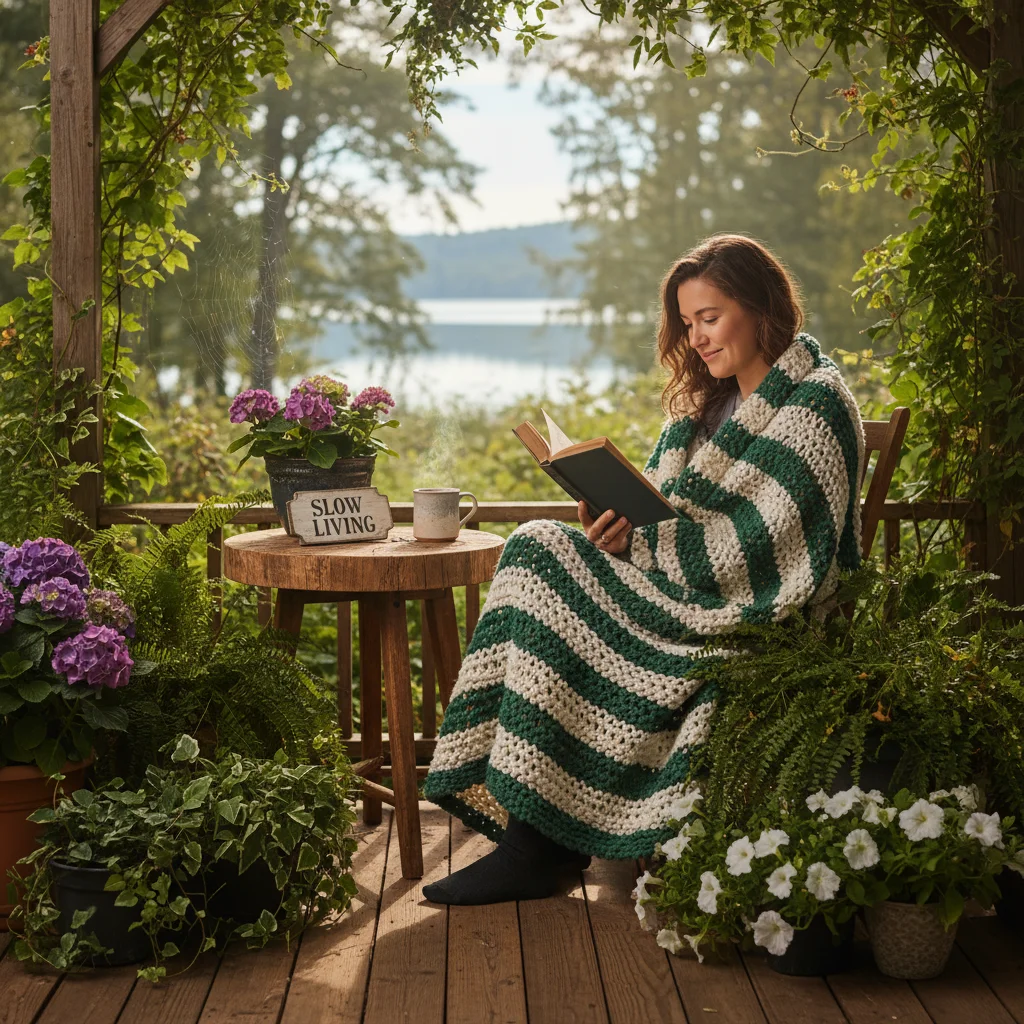
In a world that often feels like it’s spinning at an ever-increasing pace, a counter-movement has been quietly, yet powerfully, gaining traction. This isn’t a fleeting fad; it’s a profound shift in values and priorities, encapsulated by the philosophy of Slow Living Trends. As we step into early 2026, the American cultural landscape is visibly transforming, with more individuals and communities consciously choosing a life of intention over incessant acceleration. The ‘slow living’ movement, far from being a niche concept, is now influencing mainstream behaviors, consumer choices, and even urban planning. It’s about savoring moments, fostering deeper connections, and making deliberate decisions that align with personal well-being and planetary health. This article delves into five significant American cultural trends that exemplify the growing embrace of slow living, offering a glimpse into a future where quality often trumps quantity, and presence is valued above productivity.
The concept of Slow Living Trends isn’t about doing everything at a snail’s pace, nor is it a rejection of modernity. Instead, it’s an invitation to pause, reflect, and engage more deeply with life. It’s a rebellion against the relentless pursuit of more, faster, bigger, and an embrace of a more balanced, sustainable, and meaningful existence. This philosophical underpinning manifests in various aspects of daily life, from how we work and consume to how we connect with others and ourselves. The yearning for authenticity, for a life less cluttered and more connected, is driving these shifts. People are increasingly questioning the societal norms that push for constant busyness and material accumulation, opting instead for experiences, personal growth, and a sense of belonging. The trends we will explore are not isolated phenomena; they are interconnected threads woven into the rich tapestry of the slow living ethos, each contributing to a broader cultural re-evaluation of what truly constitutes a good life.
The journey towards a slower life often begins with a simple realization: that the current pace is unsustainable, both for individuals and the planet. This realization is fueling a collective desire for change, leading to the emergence of these distinct, yet harmonious, trends. From the conscious rejection of digital overload to the renewed appreciation for local communities and artisanal craftsmanship, each trend reflects a deliberate choice to live more thoughtfully. Understanding these movements is crucial for anyone seeking to navigate the evolving cultural landscape of America in 2026. They represent not just shifts in behavior, but fundamental changes in mindset, promising a future where well-being and intentionality are at the forefront of our collective consciousness. Let’s explore these fascinating developments and see how Slow Living Trends are shaping the nation.
1. The Digital Detox and Mindful Technology Adoption
One of the most prominent Slow Living Trends emerging in early 2026 is the widespread embrace of the digital detox, coupled with a more mindful approach to technology. For years, the relentless march of technological advancement and the omnipresence of screens have led to increased anxiety, reduced attention spans, and a feeling of constant overwhelm. However, a significant portion of the American populace is now actively seeking to reclaim their time and mental space from the clutches of digital addiction.
The digital detox isn’t merely about switching off your phone for an hour; it’s a more profound commitment to setting boundaries with technology. This trend sees individuals scheduling regular periods of complete disconnection, whether it’s a no-screens Sunday, a weekend retreat devoid of Wi-Fi, or even designated ‘phone-free’ zones within the home. The goal is to reduce cognitive overload, improve sleep quality, and foster deeper in-person connections that often get overshadowed by digital interactions.
Beyond periodic detoxes, there’s a growing movement towards mindful technology adoption. This involves a conscious evaluation of how and why we use our devices. People are increasingly curating their digital environments, unsubscribing from unnecessary newsletters, disabling non-essential notifications, and carefully selecting apps that genuinely enhance their lives rather than merely consuming their attention. The focus is on using technology as a tool for intentional living, rather than allowing it to dictate our rhythms and relationships. This mindful approach extends to social media, where users are opting for more meaningful interactions over passive scrolling, or even leaving platforms altogether to foster real-world communities.
The impact of this trend is multifaceted. Businesses are responding by offering ‘unplugged’ experiences, from wellness retreats to creative workshops that encourage hands-on engagement without digital distractions. The design of living spaces is also evolving, incorporating designated ‘tech-free’ zones that promote relaxation and connection. Furthermore, there’s a burgeoning market for ‘dumb phones’ or minimalist smartphones that offer essential communication features without the endless distractions of smart devices. This conscious decoupling from constant digital stimulation is a powerful testament to the desire for a slower, more present existence, making it a cornerstone of the Slow Living Trends defining 2026.
Educational institutions and workplaces are also beginning to recognize the benefits of mindful technology. Some schools are implementing ‘tech-breaks’ during the day, encouraging students to engage in physical activity or creative play. Employers are exploring ways to reduce screen time and promote a healthier work-life balance, understanding that constantly being ‘on’ can lead to burnout and decreased productivity. This holistic shift signifies a cultural awakening to the downsides of unchecked digital immersion and a collective effort to restore balance. The re-evaluation of our relationship with technology is not about rejecting progress, but about harnessing it wisely to support a more intentional and fulfilling life.
2. The Resurgence of Localism and Community Engagement
Another significant thread in the tapestry of Slow Living Trends is the powerful resurgence of localism and deeply rooted community engagement. After decades of globalization and increasingly transient lifestyles, Americans are rediscovering the profound value of their immediate surroundings and the people within them. This trend is a direct response to a yearning for authenticity, connection, and a sense of belonging that larger, more anonymous systems often fail to provide.
Localism manifests in various forms. Economically, there’s a noticeable shift towards supporting local businesses, farmers’ markets, and artisanal producers. Consumers are making conscious choices to buy goods and services from within their communities, understanding that this not only bolsters the local economy but also reduces environmental impact by shortening supply chains. The narrative of ‘knowing your farmer, knowing your maker’ is gaining significant traction, fostering a greater appreciation for craftsmanship, quality, and the human stories behind products. This goes beyond mere convenience; it’s about investing in the fabric of one’s own neighborhood and seeing the direct positive impact of those choices.
Socially, this trend is leading to a revitalization of community spaces and activities. Neighborhood associations are seeing renewed interest, communal gardens are flourishing, and local events – from block parties to skill-sharing workshops – are becoming more popular. People are actively seeking opportunities to connect with their neighbors, build support networks, and collectively address local challenges. This renewed focus on community resilience is particularly evident in the wake of recent global disruptions, which highlighted the importance of strong, localized support systems.
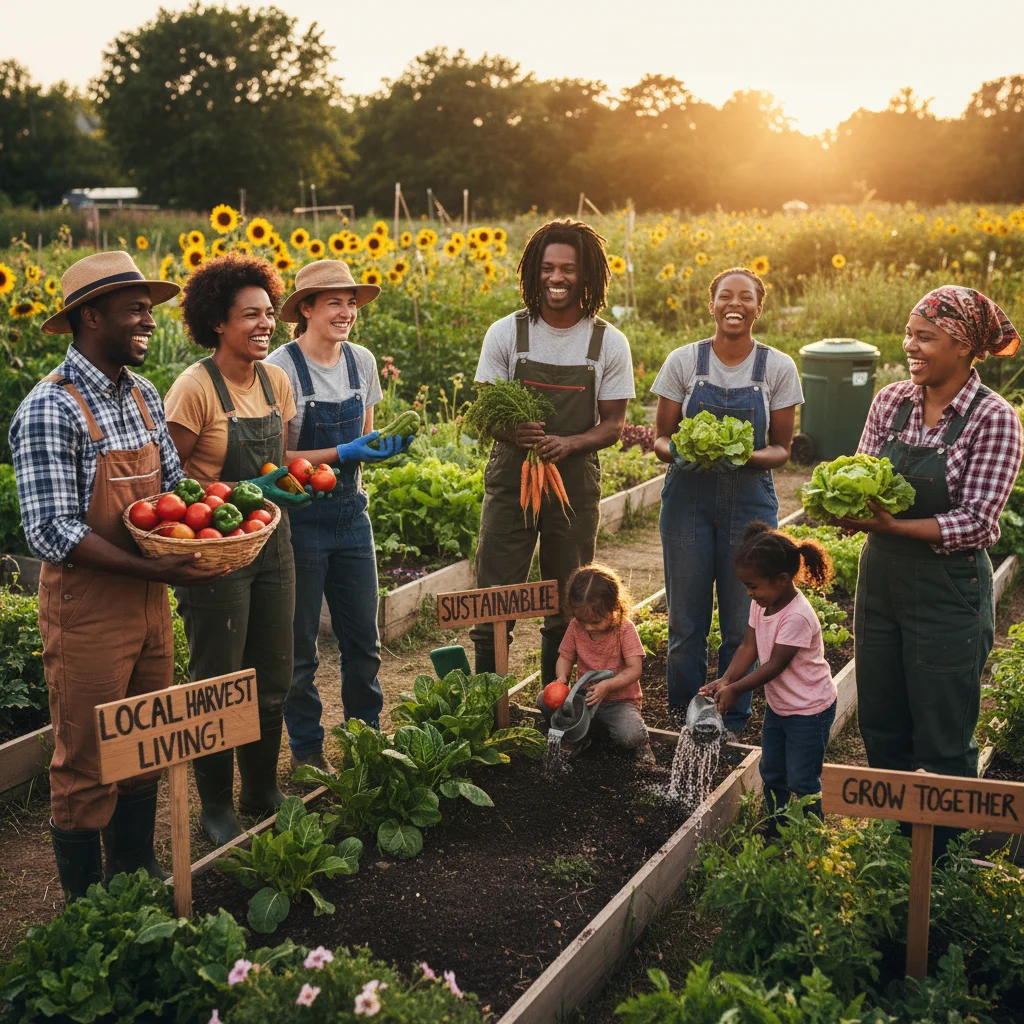
The architectural and urban planning spheres are also reflecting this shift. There’s a growing demand for walkable neighborhoods, mixed-use developments that integrate living, working, and leisure spaces, and the preservation of historic local landmarks. The goal is to create environments where daily needs can be met without extensive travel, fostering spontaneous interactions and a stronger sense of place. This design philosophy directly supports the slow living ideal by reducing reliance on cars, promoting physical activity, and encouraging a more organic, community-centric lifestyle.
Furthermore, the educational system is seeing a push for more localized learning, with schools collaborating closely with local businesses and organizations to provide relevant, community-rooted experiences for students. This helps young people develop a stronger connection to their hometowns and understand the importance of civic engagement. The resurgence of localism is not a nostalgic retreat into the past, but a progressive movement towards building more resilient, connected, and sustainable communities for the future. It’s a powerful demonstration of how Slow Living Trends are reshaping our collective understanding of belonging and prosperity.
3. The Embrace of Sustainable and Mindful Consumption
As part of the overarching Slow Living Trends, the American consumer landscape in early 2026 is marked by a profound shift towards sustainable and mindful consumption. This is more than just a passing eco-friendly phase; it’s a fundamental re-evaluation of our relationship with material possessions and the environmental and social impact of our purchasing decisions. The ‘buy less, choose well, make it last’ mantra is resonating deeply with a populace increasingly aware of resource depletion, waste generation, and ethical labor concerns.
Mindful consumption begins with intentionality. Consumers are asking critical questions before making a purchase: Do I truly need this? What is its origin? Who made it, and under what conditions? What is its environmental footprint? This leads to a preference for high-quality, durable goods over fast fashion and disposable items. There’s a growing appreciation for craftsmanship, repairability, and products designed for longevity. The ‘circular economy’ model, where products are designed to be reused, repaired, and recycled, is gaining significant traction, moving away from the traditional linear ‘take-make-dispose’ approach.
The food industry is a prime example of this trend. Beyond local and organic, consumers are prioritizing ethically sourced ingredients, plant-based diets, and reducing food waste. Meal planning, conscious portion control, and creative uses for leftovers are becoming common practices. There’s also an increasing interest in home gardening and preserving food, further connecting individuals to the source of their sustenance and promoting self-sufficiency – a core tenet of slow living.
Beyond physical goods, mindful consumption extends to experiences. Instead of accumulating more things, people are investing in travel that is respectful of local cultures and environments, educational workshops, and activities that foster personal growth and well-being. The focus is on enriching one’s life through meaningful experiences rather than through endless acquisition. This shift reflects a deeper understanding that true wealth lies not in what we own, but in how we live and the impact we have on the world.
Retailers and brands are responding to this demand by emphasizing transparency, ethical sourcing, and sustainable production methods. Companies that can genuinely demonstrate their commitment to environmental and social responsibility are gaining consumer trust and loyalty. Certification programs for fair trade, organic, and carbon-neutral products are becoming more influential in purchasing decisions. Furthermore, the rise of rental and sharing economies for everything from clothing to tools reflects a desire to access goods without the burden of ownership, further reducing waste and promoting resource efficiency.
Ultimately, sustainable and mindful consumption is about living within our means, both individually and as a planet. It’s an active rejection of consumerism driven by fleeting trends and an embrace of a more considered, responsible approach to acquiring and utilizing resources. This trend is not just about environmentalism; it’s about cultivating a deeper sense of purpose and alignment with one’s values, making it a powerful force within the broader Slow Living Trends movement.
4. The Prioritization of Holistic Wellness and Mental Health
The fourth compelling aspect of Slow Living Trends making waves in early 2026 is the profound prioritization of holistic wellness and mental health. The pandemic years, coupled with the ongoing pressures of modern life, have brought mental well-being to the forefront of national conversation. Americans are no longer viewing health solely through a physical lens; there’s a growing recognition that mental, emotional, and spiritual well-being are equally, if not more, crucial for a fulfilling existence. This realization is driving a significant shift towards practices and philosophies that support overall inner balance.
This trend is characterized by a move away from quick fixes and towards sustainable, integrated approaches to health. Mindfulness practices, such as meditation and yoga, are becoming increasingly mainstream, incorporated into daily routines, workplaces, and even educational curricula. The goal is to cultivate present-moment awareness, reduce stress, and improve emotional regulation. Apps and online platforms offering guided meditations and mental health resources are seeing exponential growth, making these practices more accessible to a wider audience.
Beyond formal practices, there’s an increased emphasis on activities that naturally promote mental and emotional well-being. Spending time in nature, often referred to as ‘forest bathing’ or simply connecting with green spaces, is recognized for its restorative powers. Creative pursuits like art, music, and writing, once considered hobbies, are now seen as essential outlets for self-expression and emotional processing. These activities provide a much-needed break from the cognitive demands of work and digital life, allowing for mental rejuvenation.
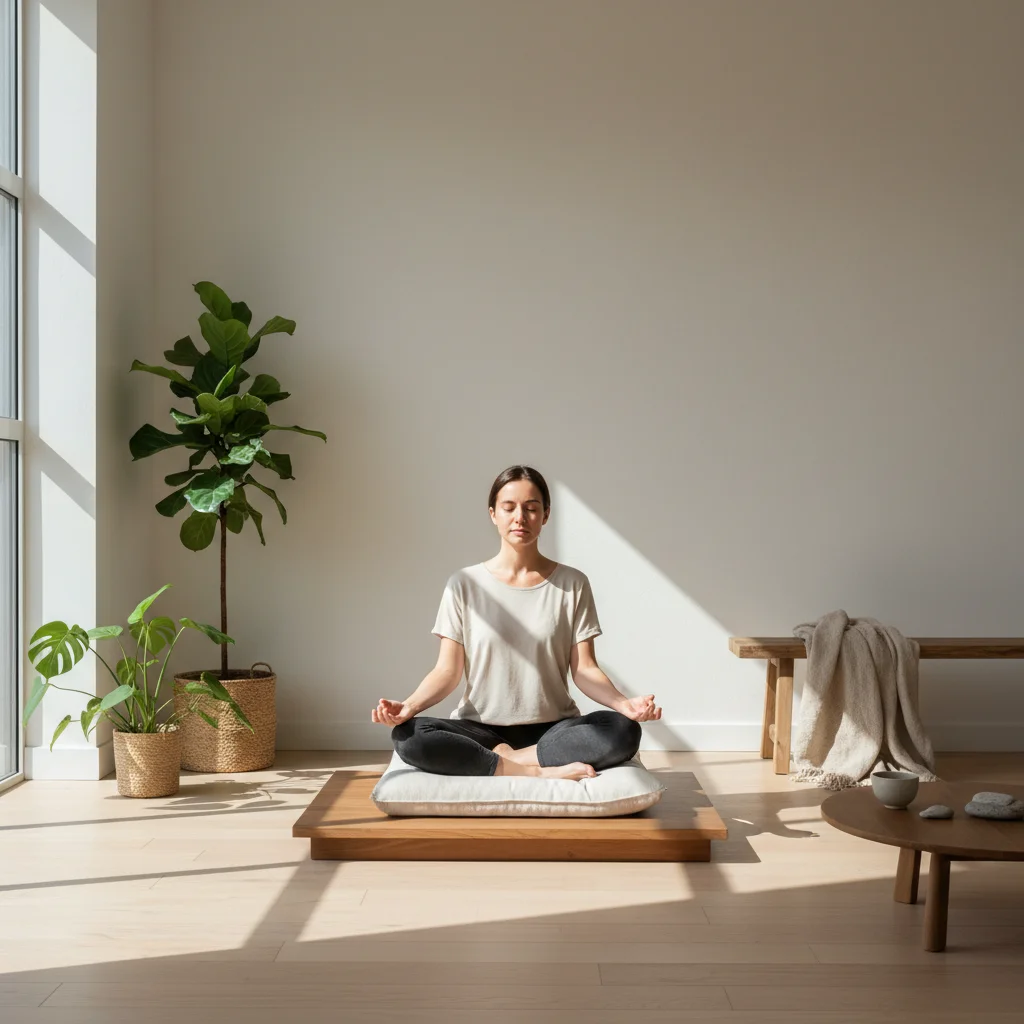
The concept of ‘self-care’ has evolved beyond superficial indulgences to encompass deeper, more meaningful practices. This includes prioritizing adequate sleep, maintaining healthy boundaries in relationships, seeking professional mental health support when needed, and fostering a strong sense of purpose. There’s a growing destigmatization of mental health issues, encouraging more open conversations and a collective effort to create supportive environments where individuals feel comfortable seeking help.
Workplaces are also adapting, with companies increasingly offering mental health benefits, flexible work arrangements, and wellness programs that support employee well-being. The understanding is that a healthy workforce is a productive workforce, and investing in the holistic health of employees yields significant returns. This shift reflects a broader societal acknowledgment that constant productivity at the expense of well-being is unsustainable and ultimately detrimental.
The prioritization of holistic wellness and mental health is not just about individual practices; it’s about a cultural reorientation towards valuing human flourishing above all else. It’s a recognition that a truly slow and intentional life must be built on a foundation of inner peace and resilience. This trend is fundamentally reshaping how Americans approach their daily lives, their work, and their relationships, solidifying its place as a crucial element of the Slow Living Trends influencing 2026.
5. The Renaissance of Experiential Travel and Slow Tourism
The fifth and final trend showcasing the power of Slow Living Trends in early 2026 is the burgeoning renaissance of experiential travel and slow tourism. Gone are the days when travel was solely about ticking off landmarks from a list or rushing from one bustling city to another. A growing number of Americans are now seeking more immersive, meaningful, and sustainable ways to explore the world, prioritizing depth of experience over breadth of itinerary.
Experiential travel is about connecting with destinations on a deeper level. This means choosing to stay longer in one place, engaging with local communities, learning about their culture, and participating in authentic activities. Instead of merely observing, slow tourists are actively seeking opportunities to cook traditional meals with local families, learn a craft from an artisan, or volunteer with a community project. The focus shifts from being a passive observer to an active participant, creating memories that are rich in context and personal growth.
This trend also emphasizes sustainable travel practices. Travelers are becoming more conscious of their environmental footprint, opting for modes of transport that are less carbon-intensive, choosing eco-friendly accommodations, and supporting businesses that are committed to ethical and sustainable tourism. There’s a clear preference for destinations that prioritize conservation and respect local ecosystems, moving away from mass tourism models that can often strain resources and disrupt natural habitats. The idea is to leave a positive impact, or at least minimize negative ones, on the places visited.
The allure of slow tourism also lies in its ability to foster genuine connection. By spending more time in a single location, travelers have the opportunity to build relationships with locals, understand different perspectives, and gain a more nuanced appreciation for diverse cultures. This stands in stark contrast to the superficial interactions often associated with fast-paced travel, where cultural immersion is limited to brief encounters and tourist traps.
Accommodation choices are also evolving to support this trend. Beyond traditional hotels, there’s a growing demand for unique stays like boutique guesthouses, farm stays, homestays, and eco-lodges that offer authentic experiences and a closer connection to the local environment. These options often provide opportunities for interaction with hosts and fellow travelers, further enriching the slow travel experience. The rise of ‘workations’ and digital nomadism also plays into this, allowing individuals to extend their stays and truly embed themselves in a new place while maintaining their professional lives.
Ultimately, experiential travel and slow tourism are about transforming the act of traveling into a form of slow living itself. It’s an invitation to slow down, be present, and engage deeply with the world around us, fostering personal reflection and a greater sense of global citizenship. This trend is not just about where we go, but how we go, making it a pivotal component of the evolving Slow Living Trends in America.
Conclusion: Embracing a More Intentional Future with Slow Living Trends
As we navigate the complexities of modern life in early 2026, the pervasive influence of Slow Living Trends offers a compelling vision for a more intentional, balanced, and fulfilling future. The five cultural shifts we’ve explored—the digital detox and mindful technology adoption, the resurgence of localism and community engagement, the embrace of sustainable and mindful consumption, the prioritization of holistic wellness and mental health, and the renaissance of experiential travel and slow tourism—are not isolated phenomena. Instead, they are interconnected facets of a broader societal yearning for authenticity, connection, and purpose.
These trends collectively represent a conscious pushback against the relentless pace and often superficial demands of hyper-modality. They signal a collective awakening to the unsustainability of constant busyness, unchecked consumerism, and digital overload. Americans are increasingly realizing that true prosperity lies not in endless accumulation or instantaneous gratification, but in the quality of their experiences, the strength of their relationships, and the health of their minds and bodies.
The digital detox, for instance, is not a rejection of technology but a mindful re-engagement with it, allowing for more presence in the real world. The resurgence of localism highlights a profound need for belonging and tangible community, fostering resilience and mutual support. Sustainable consumption isn’t just about environmental responsibility; it’s about valuing craftsmanship, longevity, and ethical practices, aligning our purchases with our deepest values. The prioritization of holistic wellness underscores a fundamental understanding that mental and emotional health are paramount, leading to a more compassionate and balanced approach to life. And finally, experiential travel transforms our journeys into opportunities for deep learning, cultural exchange, and personal growth, enriching our lives far beyond fleeting sightseeing.
The beauty of these Slow Living Trends is their accessibility. They don’t require radical lifestyle overhauls but rather a series of small, intentional choices that, over time, can profoundly reshape one’s existence. It’s about choosing quality over quantity, presence over productivity, and connection over isolation. It’s about finding joy in simplicity, appreciating the everyday, and cultivating a deeper relationship with oneself, others, and the natural world.
For individuals, embracing these trends means a path towards reduced stress, increased well-being, and a greater sense of purpose. For communities, it means fostering stronger bonds, greater resilience, and more sustainable practices. For businesses, it presents an opportunity to innovate with integrity, offering products and services that genuinely enhance lives and contribute positively to society. As we look ahead, the momentum of slow living is only set to grow, embedding itself deeper into the cultural fabric of America and guiding us towards a future that is not just faster or bigger, but truly better.
The journey into Slow Living Trends is an invitation to pause, reflect, and live with greater intention. It’s a powerful and hopeful movement shaping the American experience in 2020 and beyond, reminding us that sometimes, the most profound progress comes from slowing down.